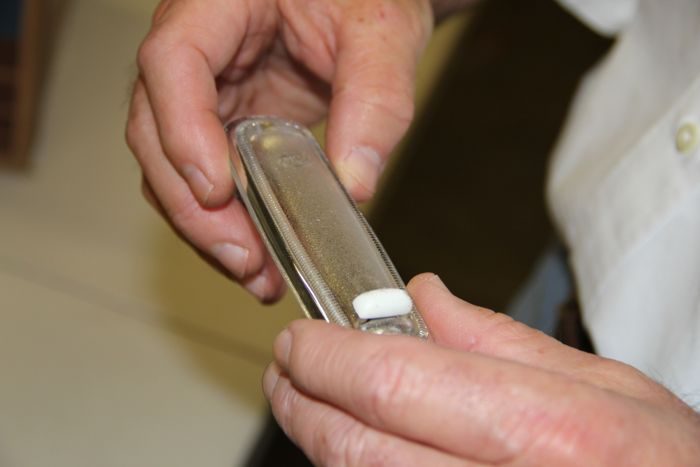
Making authentic parts takes a lot of passion, skill and experience. Our products are designed and manufactured to turn back time, to make your Porsche look like it just rolled off the assembly line in Germany. It’s been nearly 50 years since the last 356 was sold new, and in those five decades the Porsche restoration market has seen a wide variance in parts availability and quality.
In the mid 1970s, when 356s were just 10-year-old sports cars, there was little in the way of reproduction parts available. Enthusiasts like Chuck Stoddard grabbed the last remaining NOS parts that Porsche had on the shelves, and the 356 restoration market was started. As the values of the cars rose from just a few thousand dollars to $20,000 for a concours-quality Speedster, and to nearly $90,000 in the mid-1980s, the first wave of poorly executed reproduction parts was released as the supply of the last remaining NOS parts dried up. This was supplemented by low-volume, higher-quality reproductions from small shops: a cottage industry of sorts that developed around high-end concours-quality restorations. These parts were both expensive and hard to find, so much so that they really operated on the fringe of the Porsche restoration market.
Now we’re seeing values of 356s rise even higher, well into the hundreds of thousands of dollars for just about any good 356. That has reenergized the need for really top-notch parts, as these cars are now getting restored for the second or third time. The accuracy of the parts has become much more important than the cost of developing them, or what they’ll ultimately cost. Stoddard has undertaken the task of recreating most of our rubber seals and fittings to an even higher standard, as exact copies of the original parts. The market for properly-restored 356s that top $500,000 at auction demands this renewed attention to detail.
Step 1: Establish a benchmark
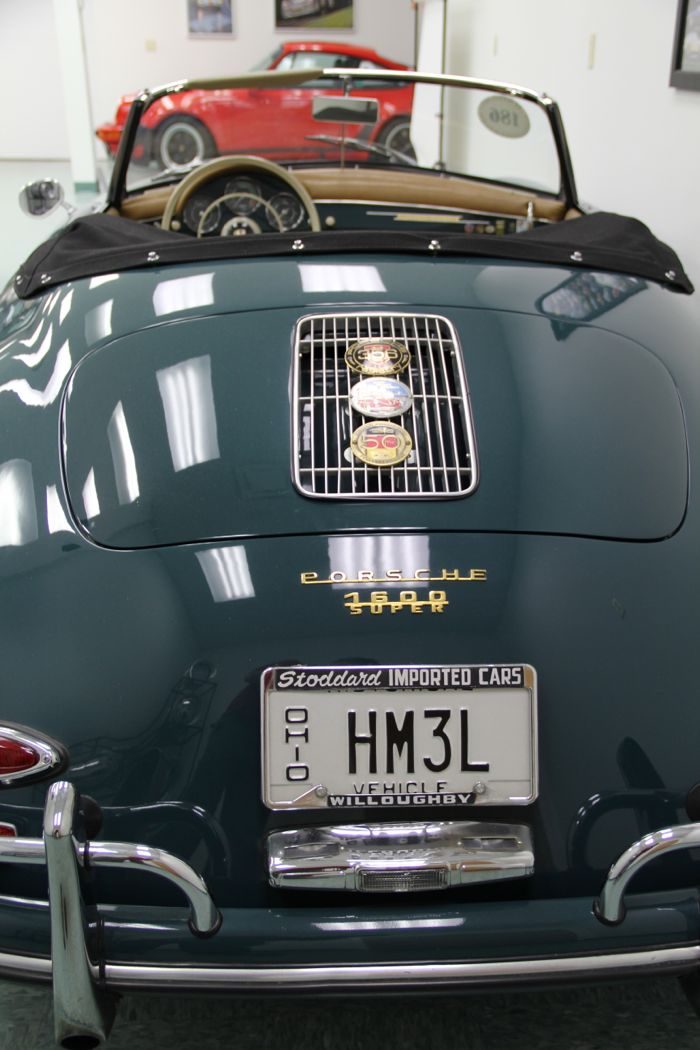
As we develop parts, we have to look at verifiably original cars as benchmarks of what our products should look like. This task is made difficult as many early Porsches were built more in batch form than on a standardized assembly line. For example, the body shells for the 356 were built by four different coachbuilders: Karmann, Reutter, D’Ieteren and Drauz. Each coachbuilder made their cars slightly differently, with variances in stampings, wiring designs and trim bits as a matter of course.
Making matters worse, the replacement parts you could buy from a Porsche dealership changed as they worked through their own supply of products. For the first 10 to 15 years after the car was built, the parts you could buy came from the original batches. As the initial supply ran out, you’d get second or even third runs of products that could vary in color and finish as the subcontracted supplier changed. Porsche’s launch of the Classic Parts program has reversed this trend, and we’re now seeing more accurate “official” reproductions from the factory that we’re proud to sell.
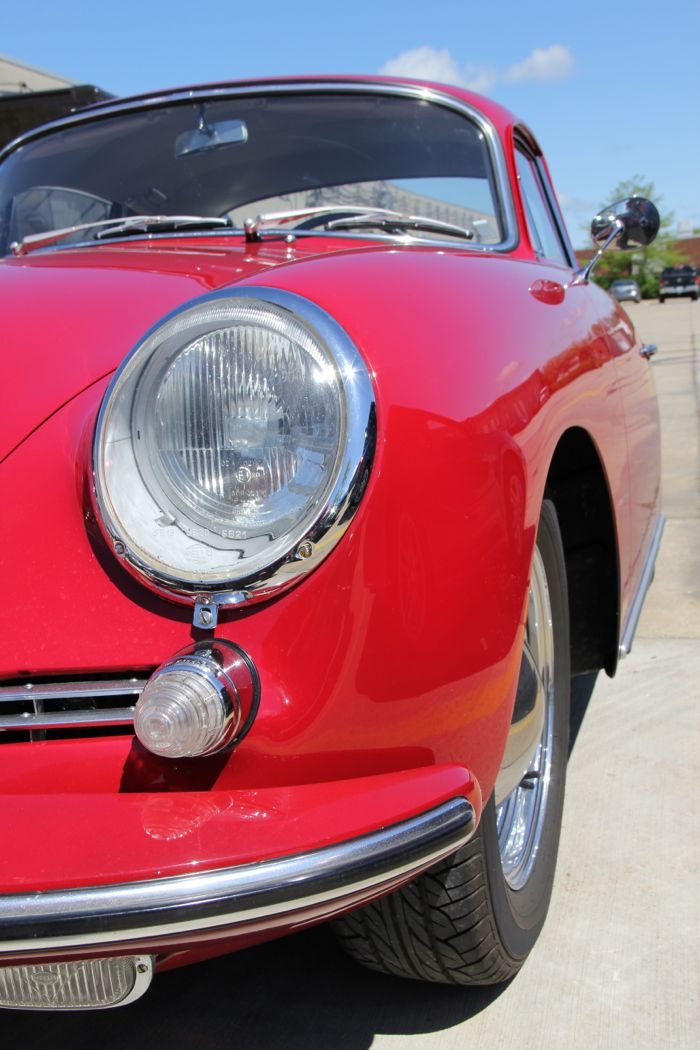
One of our test vehicles is a 1963 356B Coupe that was purchased new in California and is owned by the original purchaser, who is one of our in-house experts on the marque. Since we know the car’s entire history, we can use it as an example of how a recreated part should look.
We also look at multiple cars as examples for our recreated parts. We make sure that we use original (ORI) and not second-run replacement parts as templates for all of our recreations. We keep these original parts on hand as we compare them to our drawings, pre-production samples and final production pieces. A significant portion of our warehouse, about 15%, is dedicated to the storage of our ORI parts, which aren’t for sale.
Step 2: Checking basic functionality: size, strength, and angles!
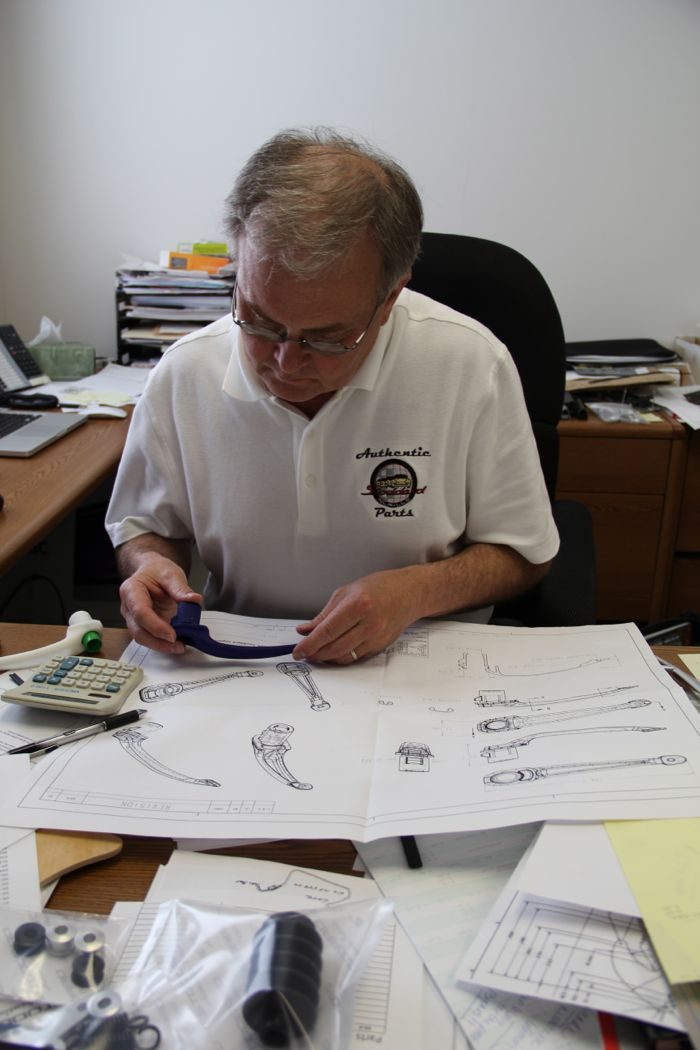
We install the recreated parts on otherwise untouched cars to make sure the new part will function as the original. We work with suppliers to make sure everything is as it should be. Typically, our development process involves several samples to make sure that we’ve got it right.
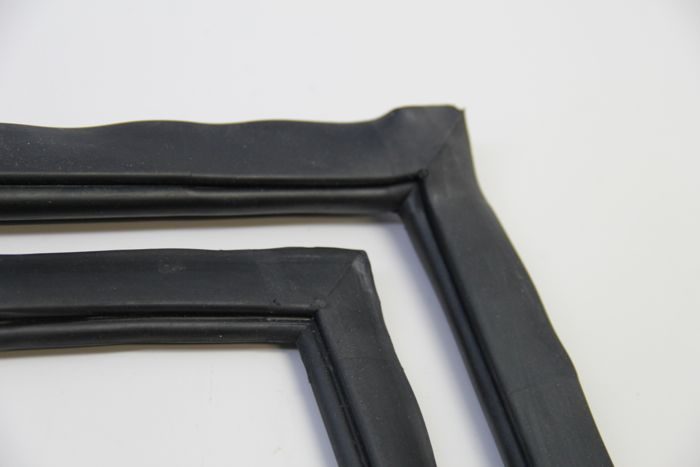
Replacement door seals are notorious for not fitting correctly, so we reengineered ours to exactly match the factory profile and angles. The seals have been re-profiled from a correct “back in the day” sample (not a current Porsche part), and we went through an extensive prototype test fit process to accommodate the headliner and trim and to allow for “shimming” to a perfect fit, as the factory did. Body tracings were done (coupe only) to create special tooling for the correct corner mold, and the seal is provided long enough for those who want a non-molded cut corner that matches the very early cars.
The rubber compound was specified down to the durometer, with a lower durometer (hardness) to better match what the car originally had. Most replica seals are based upon old dried-up NOS pieces that have simply aged to be harder than what Porsche originally intended. That extra softness improves sealing performance for a leak-free car. Rubber is the most difficult part to replicate, as extrusion is an “art” to achieve exact profiling. The fruit of our labor is a door seal that is easier to install and fits correctly, without causing your door to close hard or sit proud of the surrounding trim.
Step 3: The devil is in the details
While we are recreating authentic parts, we strive not to recreate authentic problems by using old technology, materials and processes. Our goal is to make parts that look and act like the originals, but last much longer. Our rubber parts, for example, are molded out of modern UV-resistant rubbers that won’t crack after a few years’ worth of sun exposure, like the originals did.
Of course, messing with the chemical compositions of plastics and polymers is not as easy as it sounds. We’ve run into problems with materials in plastic lenses that were strong but brittle, and would shatter with just a small amount of twisting force. We went back to the drawing board on that one, and the result is a better product that will last much longer than the original.